


Uganda earned the nickname “Pearl of Africa” for good reason. In a country roughly the size of the United Kingdom, you can track mountain gorillas through ancient rainforest, raft the Nile, watch tree-climbing lions, hike glaciers on the Rwenzori Mountains and cruise past hippos on a tropical channel. Nature adventure Uganda is about immersion: getting out of the vehicle, onto the trail and into the landscape. This guide covers the best experiences, the top parks, how to plan, what to pack and how your trip supports conservation.
Why Uganda Is a Top Destination for Nature Adventure
Uganda sits where the East African savanna, the Central African rainforest and the Albertine Rift meet. That crossroads produces extraordinary biodiversity: more than 1,000 bird species, a large number of mammal species, and a wide range of habitats within short distances.
Several things make Uganda especially appealing for adventurous travelers:
- Primate diversity. Mountain gorillas, chimpanzees and many monkey species live here.
- Varied activities. Hiking, white-water rafting, boat safaris, cycling, birding and cultural walks are all available.
- Reasonable costs. Permit and park fees are generally lower than in some neighboring destinations, though they change, so always confirm current prices.
- Welcoming people. Uganda is known for friendly, English-speaking communities and a strong tradition of hospitality.
Top Nature Adventures in Uganda
Gorilla Trekking in Bwindi and Mgahinga
Trekking mountain gorillas is Uganda’s signature adventure. Bwindi Impenetrable National Park, a dense and ancient forest, protects roughly half of the world’s mountain gorillas, while Mgahinga offers volcano scenery and golden monkey tracking. Treks can last from under an hour to several hours over steep, muddy ground, followed by one hour with a habituated family. Groups are limited to eight visitors per family per day.
Chimpanzee Tracking in Kibale Forest
Kibale National Park holds one of the highest primate densities in Africa and is famous for chimpanzee tracking. Sightings are frequent, and the forest also shelters red colobus, black-and-white colobus and many bird species. Some lodges offer a full-day chimpanzee habituation experience for those wanting more time with the apes.
Wildlife and Boat Safaris in Queen Elizabeth National Park
Queen Elizabeth combines savanna, crater lakes and wetlands. Game drives reveal elephants, buffalo, antelope and lions, including the tree-climbing lions of the Ishasha sector. The Kazinga Channel boat cruise brings you close to hippos, crocodiles and water birds.
Murchison Falls National Park
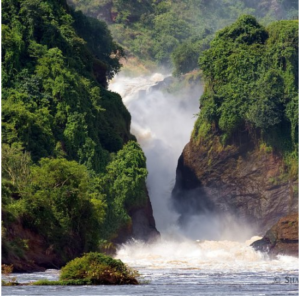
Here the Nile forces itself through a narrow gorge and plunges into a thundering waterfall. Visitors can take a boat trip to the base of the falls, hike to the top and enjoy game drives with elephants, giraffes and lions on the northern bank.
White-Water Rafting and Adventure Sports in Jinja
Jinja, near the source of the Nile, is East Africa’s adventure hub. White-water rafting, kayaking, bungee jumping, quad biking, horseback riding and stand-up paddleboarding are all on offer. Operators run trips for different experience levels, from gentle floats to heavy rapids.
Hiking the Rwenzori Mountains
The Rwenzori range, sometimes called the Mountains of the Moon, offers some of Africa’s most dramatic trekking. Multi-day hikes pass through bamboo forest, moorland with giant lobelias and heather, and high alpine terrain with glaciers on the highest peaks. This is a demanding option for experienced and well-prepared hikers.
Lake Bunyonyi and Volcano Hikes
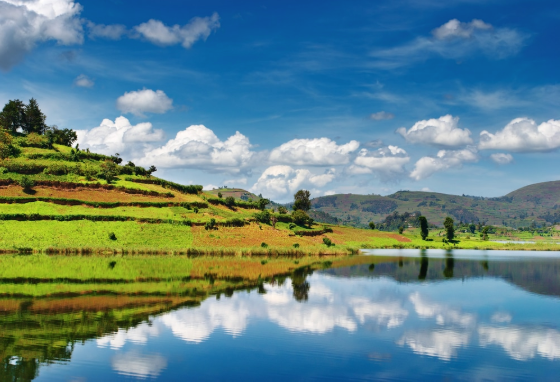
Lake Bunyonyi, in the southwest, is a peaceful highland lake surrounded by terraced hills. Canoeing, swimming, birdwatching and village walks make it an ideal recovery spot after gorilla treks. Nearby Mount Muhabura and Mount Sabyinyo in the Virunga range offer rewarding volcano hikes.
Birding Across Uganda
With over 1,000 recorded species, Uganda is a global birding destination. Highlights include the shoebill stork in the Mabamba Swamp, African green broadbill in Bwindi and numerous Albertine Rift endemics. Even casual observers enjoy the colors and sounds.
Sample Itineraries
7-Day Primates and Wildlife
- Day 1: Arrive in Entebbe, transfer to your lodge.
- Days 2 to 3: Drive to Kibale for chimpanzee tracking.
- Days 4 to 5: Queen Elizabeth National Park for game drives and the Kazinga Channel.
- Days 6 to 7: Bwindi for gorilla trekking, then return or fly to Entebbe.
10-Day Adventure Circuit
- Add Murchison Falls for a boat safari and Jinja for rafting, plus a hike or canoe trip at Lake Bunyonyi.
14-Day Full Uganda
- Include the Rwenzori Mountains, extended birding and a cultural homestay for a deeper experience.
Road journeys in Uganda can be long, so build in rest days or consider domestic flights between distant parks.
Best Time for Nature Adventure in Uganda
- Dry seasons (roughly December to February and June to September): Trails are firmer, wildlife viewing is easier and driving conditions are better. These are the busiest periods.
- Wet seasons (roughly March to May and September to November): Lush landscapes, fewer visitors and often lower prices, but muddier trails and some road delays.
Forest areas can be rainy at any time, so waterproofs are essential year-round.
Fitness and Preparation
Uganda’s adventures range from gentle to demanding.
- Train with regular hikes, stair climbing and cardio for several weeks before gorilla or chimpanzee treks.
- Break in waterproof hiking boots before you travel.
- Hire a porter for forest treks, which helps you and supports local families.
- For the Rwenzori Mountains, build specific endurance and allow time for acclimatization.
- Be honest with guides about your fitness, so they can choose suitable routes and families.
What to Pack
- Waterproof hiking boots with good grip
- Long-sleeved shirts and long trousers in neutral colors
- A lightweight waterproof jacket and warm layers
- Gardening gloves, gaiters or long socks
- Insect repellent, sunscreen, hat and sunglasses
- Binoculars and a camera without flash
- A refillable water bottle, dry bags and a power bank
- A basic first aid kit and any personal medication
Health, Safety and Practical Planning
- Health. Consult a travel health professional well before departure about vaccinations and malaria prevention, as requirements vary.
- Insurance. Choose cover that includes medical care and evacuation.
- Documents. Check passport validity, visa requirements and permit confirmations.
- Safety. Follow ranger and guide instructions, keep wildlife distances and avoid unnecessary night travel.
- Booking. Gorilla permits and popular lodges sell out, so book six to twelve months ahead for peak seasons.
Responsible Nature Adventure
Tourism supports Uganda’s conservation when managed well. Park and permit fees fund ranger patrols, habitat protection and community projects. You can increase your positive impact by choosing locally owned lodges, hiring local guides and porters, reducing plastic waste, following all wildlife rules and buying crafts directly from artisans. Never visit primates if you are unwell, because they are vulnerable to human diseases.
Key Takeaways
- Nature adventure Uganda covers gorillas, chimpanzees, savanna wildlife, waterfalls, rivers, lakes and mountains.
- Bwindi, Kibale, Queen Elizabeth, Murchison Falls and the Rwenzori Mountains are core destinations.
- Jinja adds adrenaline activities such as white-water rafting and bungee jumping.
- Dry seasons suit trekking and wildlife viewing, while wet seasons bring fewer crowds and green scenery.
- Moderate fitness, waterproof boots and layered clothing are essential for forest and mountain activities.
- Permits and popular lodges fill early, and prices change, so book ahead and confirm current rates.
- Responsible travel supports conservation and local communities.
Conclusion
Nature adventure Uganda delivers variety, depth and genuine wildness. In a single trip you can meet gorillas in misty forest, track chimpanzees at dawn, watch hippos from a boat, paddle the Nile and hike under glacier-topped peaks. The landscapes are dramatic, the wildlife is rich, and the people are warm and welcoming. Prepare physically, pack for changing weather, respect the rules and travel responsibly, and Uganda will reward you with experiences that stay with you long after you return home.
Frequently Asked Questions
- What is the best nature adventure in Uganda?
Gorilla trekking in Bwindi is the most famous, but chimpanzee tracking, Nile rafting, Murchison Falls and Rwenzori hiking are also outstanding. The best choice depends on your interests and fitness. - How many days do I need for a nature adventure in Uganda?
Seven days covers a few highlights, while ten to fourteen days allows a broader circuit with less time on the road. - When is the best time to visit?
Dry months, roughly December to February and June to September, offer easier trails and wildlife viewing. Wet months are greener and quieter. - Is Uganda safe for travelers?
Uganda is popular with international visitors, and most trips run smoothly. Check current government travel advice, use reputable operators and follow guide instructions. - How fit do I need to be?
Moderate fitness suits most activities. Gorilla and chimpanzee treks involve steep, muddy terrain, and the Rwenzori Mountains require serious preparation. - Do I need vaccinations?
Requirements vary, so consult a travel health clinic well before departure. A yellow fever certificate and malaria prevention are commonly discussed. - What is the minimum age for gorilla trekking?
The minimum age is generally 15 years. Rangers may check ages at the briefing. - Can I combine adventure activities with relaxation?
Yes. Lake Bunyonyi, the Ssese Islands and lodges around Queen Elizabeth National Park provide calm, scenic places to unwind. - How far ahead should I book permits and lodges?
Six to twelve months ahead for peak seasons, especially for gorilla permits and popular lodges. - How does my trip help conservation?
Park and permit fees fund ranger patrols, habitat protection and community projects. Choosing responsible operators and spending locally increases the benefit.