
Tanzania safari and luxury tours in Tanzania is where the idea of the classic African safari is at its most vivid. Wildebeest columns stretch across the Serengeti plains, elephants walk through baobab-studded Tarangire, and the Ngorongoro Crater holds one of the densest concentrations of wildlife on Earth. A luxury Tanzania safari adds privacy, comfort and expert guiding to these landscapes, turning a wildlife trip into a refined, immersive journey.
This guide explains what Tanzania safari and luxury tours in Tanzania include, where to go, what they cost, and how to plan a trip that matches your expectations.
What Makes a Tanzania Safari “Luxury”?
Luxury in the bush is not about excess. It is about access, space and service. A genuinely high-end Tanzania safari usually combines:
- Exclusive accommodation: small camps and lodges, often with fewer than 20 guests, set in prime wildlife areas
- Private vehicles and guides: your own 4×4 with a dedicated, highly trained guide, so you control the pace and timing
- Seamless logistics: private airstrip transfers, light-aircraft flights between parks and minimal time on the road
- Fine dining and wellness: gourmet meals, curated wine lists, spa treatments and private dining under the stars
- Remote locations: private concessions and quieter corners of the parks, away from crowds
- Exclusive activities: walking safaris, night drives and hot-air balloon flights, which are not available in every public park area
Together, these features create a more intimate experience and give you the best chance of unhurried wildlife encounters.
Where to Go: Tanzania’s Luxury Safari Regions
Northern Circuit
The northern circuit is Tanzania’s most famous safari region and the heart of most luxury itineraries.
Serengeti National Park is the star. Its endless plains support the Great Migration, a year-round movement of more than a million wildebeest, along with zebra and gazelle, followed by lions, cheetahs and hyenas. Luxury camps range from permanent lodges to seasonal mobile camps that relocate to follow the herds.
Ngorongoro Conservation Area is centered on the world’s largest intact volcanic caldera. The crater floor offers excellent sightings of black rhino, lion and elephant. High-end lodges perch on the crater rim with sweeping views.
Tarangire National Park is known for large elephant herds, ancient baobabs and a quieter, more intimate atmosphere, particularly in the dry season.
Lake Manyara is smaller, with tree-climbing lions, flamingos and lush groundwater forest. It is often used as a short add-on.
Southern Circuit
Ruaha National Park is Tanzania’s largest park. It is remote and rugged, with excellent lion, wild dog and elephant sightings, and very few vehicles.
Nyerere National Park (formerly part of the Selous Game Reserve) offers boat safaris, walking safaris and riverside camps on the Rufiji River. It is a strong choice for travelers who want a different safari style.
Western Tanzania
Mahale Mountains and Katavi National Park are remote destinations. Mahale offers chimpanzee tracking on the shores of Lake Tanganyika, while Katavi is known for huge buffalo herds and dense hippo pods. They suit travelers who want something truly off the beaten track and are comfortable with a longer, more complex journey.
Luxury Accommodation Styles
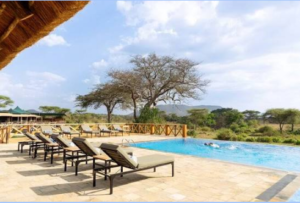
Permanent luxury lodges offer spacious suites, private plunge pools and spa facilities. They suit travelers who prefer a settled base with full resort-level comfort.
Tented camps deliver comfort with a closer connection to nature. Expect real beds, en-suite bathrooms and canvas walls that bring the sounds of the bush into the night.
Mobile camps relocate seasonally to follow the migration. They are small, intimate and often placed where the action is, which makes them a favorite for serious wildlife enthusiasts.
Private concession camps operate on land leased outside the main national park areas. They often allow off-road driving, night drives and walking safaris, which are typically restricted inside national parks.
Signature Luxury Experiences
Hot-air balloon flights over the Serengeti. A sunrise flight gives a dramatic aerial view of the plains, followed by a bush breakfast. Prices are in the region of $500 to $599 per person. Safarifind
Walking safaris. Guided on foot by an armed ranger, you see the smaller details of the bush: tracks, insects, plants and birdlife.
Private bush dinners and sundowners. Many camps arrange dinners in the wild, with lanterns, fine wine and a campfire.
Cultural encounters. Responsible visits to Maasai communities and local conservation projects add context and give back to the area.
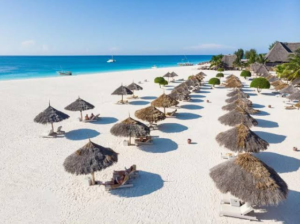
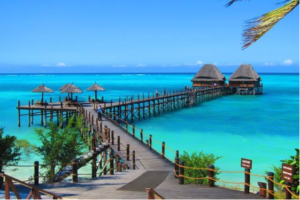
Beach extensions. Many luxury itineraries finish in Zanzibar or on the coast, where a few nights of beach relaxation follow the safari.
How Much Does a Luxury Tanzania Safari Cost?
Luxury safaris in Tanzania are priced per person per day. Current estimates indicate that luxury safaris start from around $700 per person per day and can reach $1,500, with the top end going higher for ultra-premium camps and private-concession stays. twowanderingsoles
| Style | Approx. Cost per Person per Day | 7-Day Total per Person |
| Upper mid-range | 600–800 | 4,200–5,600 |
| Luxury | 800–1,500 | 5,600–10,500 |
| Ultra-luxury | 1,500–3,000+ | 10,500–21,000+ |
Major cost components include:
- Park and conservation fees. These are fixed and substantial. Serengeti entry is around 70–84 per adult per day, with a concession fee for overnight stays, and there is a crater service fee of $295 per vehicle to descend into Ngorongoro. dumaexplorer
- Accommodation. The largest variable, ranging from a few hundred to well over a thousand dollars per person per night in top camps.
- Domestic flights. Light-aircraft transfers between airstrips add to the cost but save many hours of driving.
- Private guide and vehicle. Included in most luxury packages.
- Extras. Balloon flights, spa treatments, premium drinks and tips.
Rates change by season and operator, so treat these as planning figures and ask for a detailed, itemized quote.
When to Go
Late June to October is the dry season and peak safari time. Wildlife gathers near water, vegetation thins, and the northern Serengeti’s Mara River crossings generally occur between roughly July and October. This is the busiest and most expensive period, so book early.
January to February brings calving season on the southern Serengeti plains. Large herds of newborn wildebeest attract predators, making it one of the most dramatic times to visit.
November and March to May are green or shoulder seasons. Landscapes are lush, rates are lower and crowds are thinner, but rain can affect some roads and camps.
December is a festive, in-between period, with high demand around the holidays.
Sample Luxury Itineraries
7-Day Northern Circuit Classic
Arusha → Tarangire (2 nights) → Ngorongoro Crater rim (1 night) → central Serengeti (3 nights) → fly out. A well-balanced introduction.
10-Day Migration and Private Concession Journey
Arusha → Tarangire → Ngorongoro → southern or central Serengeti → northern Serengeti, following the herds, with a balloon flight and a private bush dinner.
12-Day Wild Tanzania
Combine the northern circuit with Ruaha or Nyerere for a mix of famous and remote landscapes, with domestic flights linking each stop.
Safari and Beach
A 7-day safari followed by 4 to 5 nights in Zanzibar, ideal for honeymoons and anniversaries.
How to Choose the Right Luxury Safari Operator
The quality of your guide and operator shapes the whole trip. Look for:
- Local expertise. Operators with deep, on-the-ground knowledge secure better camp locations and guides.
- Transparency. Clear, itemized quotes that show exactly what is included.
- Flexibility. The ability to tailor routes, pace and activities.
- Strong guiding. Ask about guide qualifications and experience.
- Responsible practices. Fair treatment of staff, community investment and respect for park regulations.
- Safety and support. Reliable vehicles, emergency evacuation arrangements and 24-hour support.
Book early. The best camps are small and fill up many months in advance, especially for July to October.
Practical Tips
- Pack in soft-sided bags, because light aircraft have strict luggage limits.
- Wear neutral colors such as khaki, olive and tan.
- Bring a good pair of binoculars and a camera with a telephoto lens.
- Check visa requirements, health advice and vaccination recommendations well before travel.
- Buy comprehensive travel insurance that includes medical evacuation.
- Plan for tips, which are customary for guides and camp staff.
Conclusion
A luxury Tanzania safari combines some of the world’s greatest wildlife spectacles with the comfort, privacy and personal service that make them even more memorable. Whether you choose a migration-following mobile camp in the Serengeti, a crater-rim lodge in Ngorongoro, or a remote retreat in Ruaha, the key to a successful trip is careful planning: choose the right season, the right camps and a trusted operator who can tailor the experience to you. Done well, a luxury safari is more than a vacation. It is an unhurried, deeply personal encounter with one of Africa’s last great wilderness areas.
Key Takeaways
- Tanzania safari and luxury tours in Tanzania exclusive camps, private guiding, remote locations and seamless logistics.
- The northern circuit (Serengeti, Ngorongoro, Tarangire) is the classic choice, while Ruaha, Nyerere, Mahale and Katavi offer remote alternatives.
- Luxury safaris typically start around $700 per person per day and can exceed $1,500 at the top end.
- Park fees are fixed, so most of the price difference comes from accommodation and transfers.
- June to October is the peak dry season, and January to February is excellent for calving.
- Signature experiences include balloon flights, walking safaris and private bush dinners.
- Book 9 to 12 months ahead for the best camps and peak dates.
Frequently Asked Questions
- How much does a luxury safari in Tanzania cost?
Expect roughly $700 to $1,500 or more per person per day, depending on camps, season and itinerary. A one-week trip commonly runs from about $5,600 to over $10,000 per person, excluding international flights. - What is the best time for a luxury Tanzania safari?
Late June to October for dry-season wildlife viewing and migration river crossings, and January to February for calving season in the southern Serengeti. - How many days do I need?
A minimum of seven days is recommended for the northern circuit. Ten to twelve days allow you to add a remote park or a beach extension. - Is a private safari worth it?
For most luxury travelers, yes. A private vehicle and guide give you control over timing, pace and photography, and avoid sharing sightings with strangers. - Are luxury safaris in Tanzania suitable for families?
Many camps welcome children, though age limits apply at some lodges and for activities like walking safaris. Ask the operator about family-friendly camps and private vehicles. - Can I combine my safari with a beach holiday?
Yes. Zanzibar and the coast are popular extensions, and flights from safari airstrips make it easy. - Is Tanzania safe for tourists?
Tourist areas and safari circuits are generally well managed. Use a reputable operator and check current government travel advice before you go. - Do I need vaccinations?
Requirements vary by nationality and itinerary. Consult a travel health clinic about yellow fever, malaria prevention and routine immunizations. - How far in advance should I book?
Nine to twelve months for peak season, as the best small camps sell out early.
Note: Prices, park fees and seasonal patterns change. Treat the figures here as planning estimates and confirm current rates with your operator before booking.
I can also put this into a Word doc or a ready-to-publish web page if you’d like.